
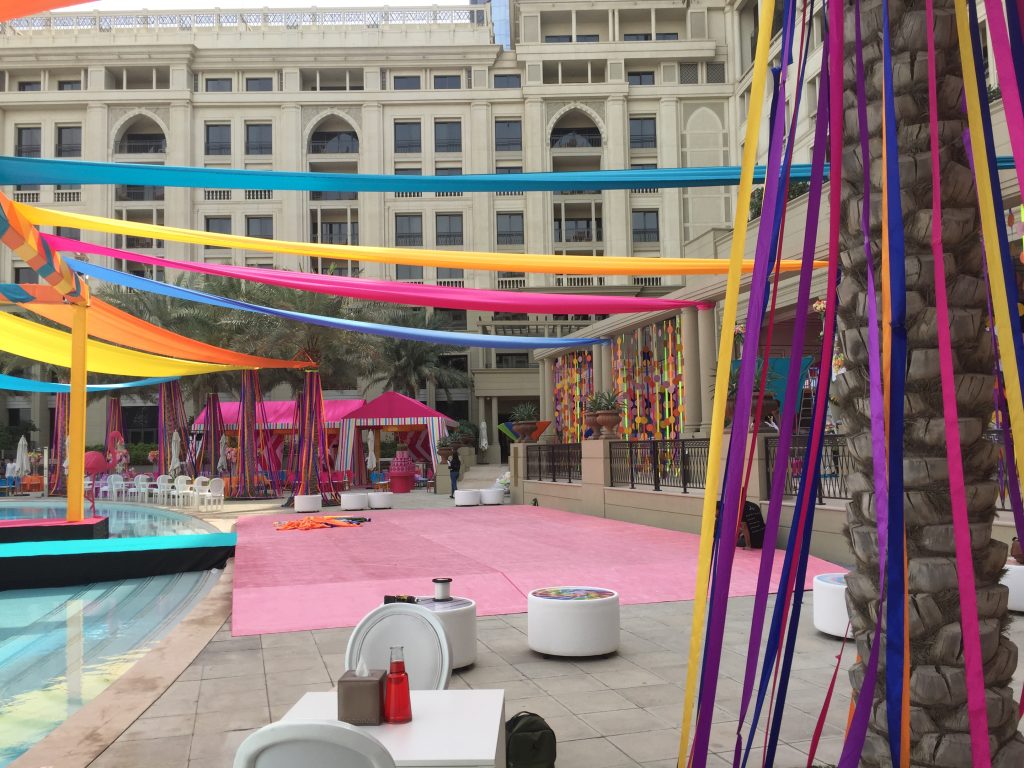
A well-planned corporate event is more than just a business gathering—it is an opportunity to strengthen relationships, celebrate achievements, promote your brand, and leave a lasting impression on employees, clients, and stakeholders. Whether you’re organising a product launch, annual conference, employee appreciation event, or client networking session, careful planning is the key to success.
In this complete guide, you’ll learn how to organize a successful corporate event, choose the right corporate décor, and make a lasting impact with thoughtful corporate gifting.
Why Corporate Events Matter
Corporate events play an important role in building stronger business relationships and enhancing brand reputation. They provide opportunities for networking, team building, knowledge sharing, and celebrating milestones.
Some of the key benefits of hosting a corporate event include:
- Strengthening employee engagement and morale
- Building long-term client relationships
- Promoting products or services
- Increasing brand visibility
- Encouraging collaboration and networking
- Celebrating company achievements
Step 1: Define Your Event Goals
Every successful corporate event begins with a clear objective. Ask yourself:
- What is the purpose of the event?
- Who is your target audience?
- What outcome do you expect?
Common corporate event goals include:
- Product launches
- Employee recognition programs
- Business conferences
- Client appreciation events
- Team-building activities
- Award ceremonies
- Annual meetings
Having a defined goal helps guide every planning decision.
Step 2: Set a Realistic Budget
Creating a detailed budget helps prevent overspending and ensures every aspect of the event is properly managed.
Your budget should include:
- Venue rental
- Catering
- Audio-visual equipment
- Entertainment
- Corporate décor
- Corporate gifting
- Photography and videographer
- Marketing materials
- Transportation (if required)
- Contingency expenses
Tracking expenses throughout the planning process keeps the event financially organized.
Step 3: Choose the Perfect Venue
Selecting the right venue can significantly impact the success of your event.
Consider factors such as:
- Guest capacity
- Accessibility
- Parking availability
- Location convenience
- Technical facilities
- Seating arrangements
- Internet connectivity
- Safety and security
Always visit the venue before confirming your booking.
Step 4: Create an Impressive Corporate Décor
Professional corporate décor creates the first impression and reflects your company’s brand identity.
Popular décor elements include:
- Branded entrance displays
- Elegant stage backdrops
- Corporate color themes
- Floral arrangements
- LED displays
- Welcome signage
- Table centerpieces
- Photo booths with branding
- Directional signage
A clean, modern, and well-branded setup helps create a memorable experience for guests.
Step 5: Plan the Event Schedule
An organized agenda keeps attendees engaged throughout the event.
Include:
- Guest registration
- Welcome session
- Opening speech
- Presentations or keynote sessions
- Networking breaks
- Entertainment
- Award distribution
- Lunch or dinner
- Closing remarks
Sharing the schedule in advance helps attendees plan their participation.
Step 6: Select Meaningful Corporate Gifting
Thoughtful corporate gifting is an excellent way to thank attendees and strengthen professional relationships.
Popular corporate gift ideas include:
- Customized notebooks
- Premium pens
- Branded coffee mugs
- Gift hampers
- Eco-friendly gift sets
- Wireless accessories
- Personalized drink ware
- Office desk organizers
- Wellness kits
- Digital gift cards
Personalized gifts featuring your company logo create lasting brand recall while offering practical value.
Step 7: Promote Your Corporate Event
Even internal events benefit from effective communication.
Promotion channels may include:
- Email invitations
- Company newsletters
- LinkedIn announcements
- Event landing pages
- SMS reminders
- Internal communication platforms
Send reminders a few days before the event to maximize attendance.
Step 8: Focus on Guest Experience
Every interaction contributes to the overall event experience.
Enhance guest satisfaction by:
- Offering quick registration
- Providing clear signage
- Ensuring comfortable seating
- Serving quality refreshments
- Having helpful event staff
- Providing charging stations
- Maintaining clean facilities
Positive experiences encourage future participation and strengthen business relationships.
Step 9: Capture the Event
Professional photography and videography preserve memorable moments while creating valuable marketing content.
Use event photos and videos for:
- Company website
- Social media
- Annual reports
- Employee newsletters
- Client presentations
- Future promotional campaigns
High-quality visuals continue delivering value long after the event ends.
Step 10: Gather Feedback
After the event, collect feedback from attendees to identify strengths and areas for improvement.
Feedback methods include:
- Online surveys
- QR code forms
- Email questionnaires
- One-on-one conversations
Questions may cover:
- Venue quality
- Event organization
- Décor
- Food and beverages
- Speaker sessions
- Corporate gifts
- Overall satisfaction
This information helps improve future corporate events.
Common Corporate Event Planning Mistakes
Avoid these common mistakes:
- Starting planning too late
- Ignoring budget limits
- Choosing an unsuitable venue
- Poor event communication
- Lack of branding
- Inadequate technical testing
- Forgetting guest engagement
- Selecting generic corporate gifts
- Skipping post-event feedback
Proper preparation minimizes these risks.
Conclusion
Planning a successful corporate event requires thoughtful preparation, attention to detail, and a focus on guest experience. From selecting the right venue and creating attractive corporate décor to offering memorable corporate gifting, every element contributes to the event’s success.
By defining clear objectives, managing your budget effectively, and prioritizing professionalism, your corporate event can strengthen business relationships, improve employee engagement, and enhance your company’s brand image for years to come.
Frequently Asked Questions (FAQs)
- What is a corporate event?
A corporate event is a business-related gathering organized for employees, clients, partners, or stakeholders for networking, training, celebrations, product launches, or meetings.
- Why is corporate décor important?
Corporate décor creates a professional atmosphere, reinforces brand identity, and enhances the overall guest experience.
- What are the best corporate gifting ideas?
Popular options include personalized notebooks, branded pens, gift hampers, tech accessories, eco-friendly products, wellness kits, and digital gift cards.
- How far in advance should a corporate event be planned?
Small events can often be planned in 4–8 weeks, while larger conferences or annual events may require 3–6 months of preparation.
- How can I reduce corporate event costs?
Set a clear budget, negotiate with vendors, prioritize essential expenses, book venues early, and monitor spending throughout the planning process.
- What should be included in a corporate event checklist?
Your checklist should cover budgeting, venue booking, invitations, catering, décor, audio-visual setup, gifting, event schedule, photography, staffing, and post-event feedback.
- How do corporate gifts benefit businesses?
Corporate gifts help strengthen client relationships, improve employee appreciation, increase brand visibility, and create a positive, lasting impression.
- How do I measure the success of a corporate event?
Success can be evaluated through attendee feedback, participation rates, networking outcomes, lead generation, social media engagement, and whether the event achieved its original objectives.